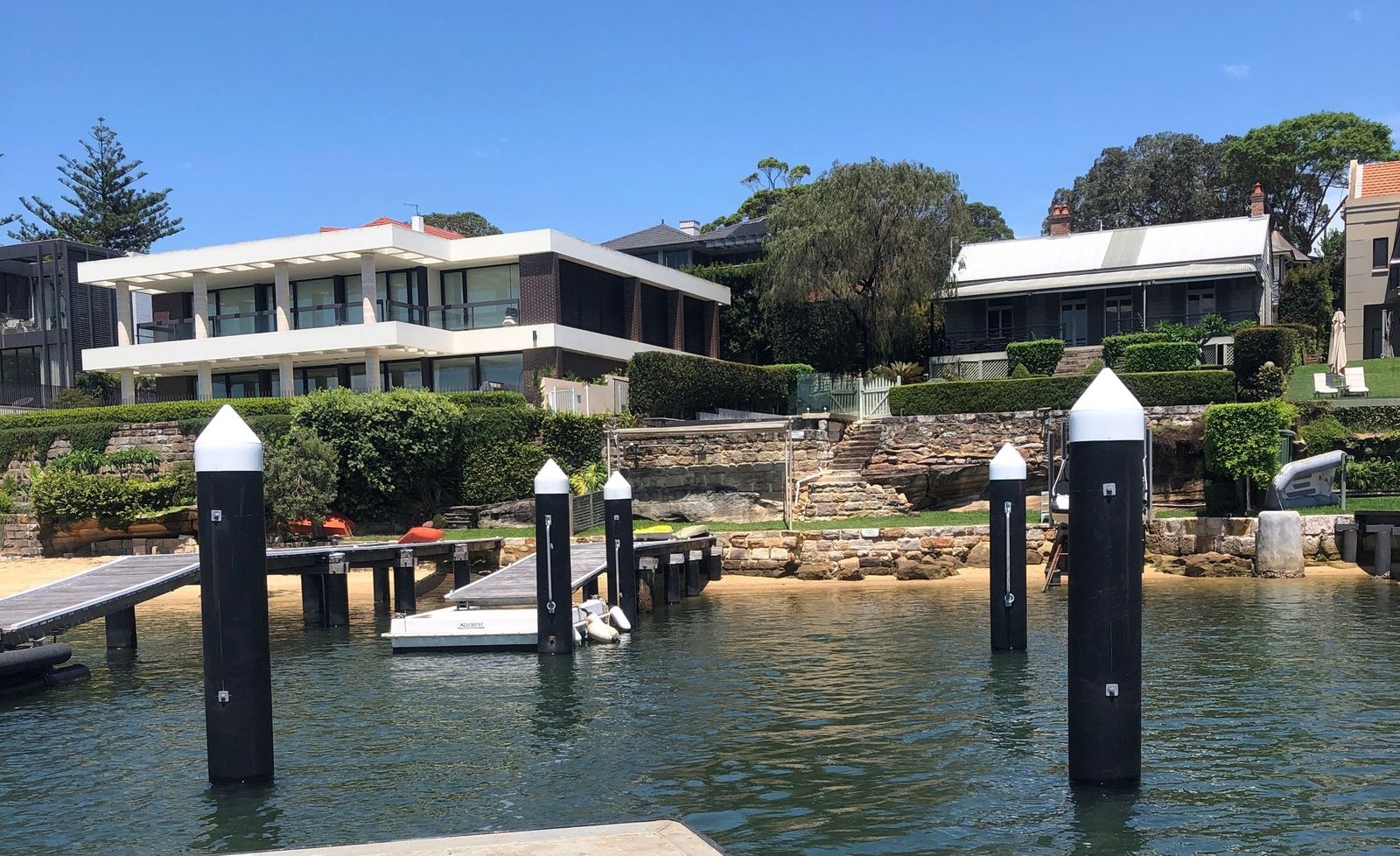
Why jetty approval matters
A private jetty, boat skid, slipway or pontoon extends over the waterway, which is publicly owned. That means it generally needs development consent before any work starts, and works carried out without the right approvals can lead to orders to remove them. Getting the planning right from the start is the single best way to save time and money.
Waterlink has been planning waterfront structures to suit Sydney Harbour's zoning and requirements since 1995. This guide explains how the process generally works. Every site is different, so we confirm the exact pathway for your property as part of our service.
The short version: for most jetties, skids, slipways and pontoons within Sydney Harbour, the development application (jetty DA) goes to Transport for NSW, not your local council. You need the landowner's consent to lodge it, and a free pre-DA meeting with Transport for NSW's Maritime planners is a good first step.
Who approves a jetty DA in Sydney?
For land-based development, your local council is usually the consent authority. On the water it's different. Transport for NSW (TfNSW) is the consent authority for most water-based development within Sydney Harbour, including jetties, wharves, boat lifts, slipways, pontoons and mooring pens. Commercial marinas are excluded. To obtain consent, a development application is lodged with TfNSW.
Outside Sydney Harbour the picture changes. On other NSW waterways the local council is generally the consent authority, and Crown Lands, which manages Crown land below the mean high water mark, is generally involved as the landowner. You can read TfNSW's own summary on its development applications page.
Jetty pre-approval: the free pre-DA meeting
There's no formal "pre-approval" for a jetty, but the closest thing is a pre-DA meeting. TfNSW offers free pre-DA meetings with its Maritime planners. The aim is to identify potential issues and give early feedback before you lodge, so problems can be fixed while the design is still on paper.
The jetty approval process, step by step
- Understand your site. We look at your waterfront, existing structures, water depths, neighbouring jetties and the planning controls that apply, and confirm who the consent authority is for your property.
- Plan the concept. We prepare a design that suits how you want to use the water and the requirements that apply. See our jetty design ideas and layouts.
- Pre-DA meeting. Use TfNSW's free pre-DA meeting to test the concept early.
- Landowner's consent. The Environmental Planning and Assessment Act 1979 requires the landowner's consent to lodge a DA. Because the structure sits over publicly owned waterway, that means consent from the public landowner. On Sydney Harbour, TfNSW sets out its requirements in its Permission to Lodge fact sheet.
- Lodge the development application. The DA is lodged with the consent authority, with the plans and supporting information it requires.
- Assessment and determination. The authority assesses the application and either approves it, usually with conditions, or refuses it. TfNSW publishes notices of its determinations.
- Your jetty lease or licence. A private structure over a public waterway generally also needs an ongoing lease or licence. On Sydney Harbour and its tributaries, domestic waterfront leases and licences are managed by TfNSW; elsewhere, Crown Lands issues domestic waterfront licences.
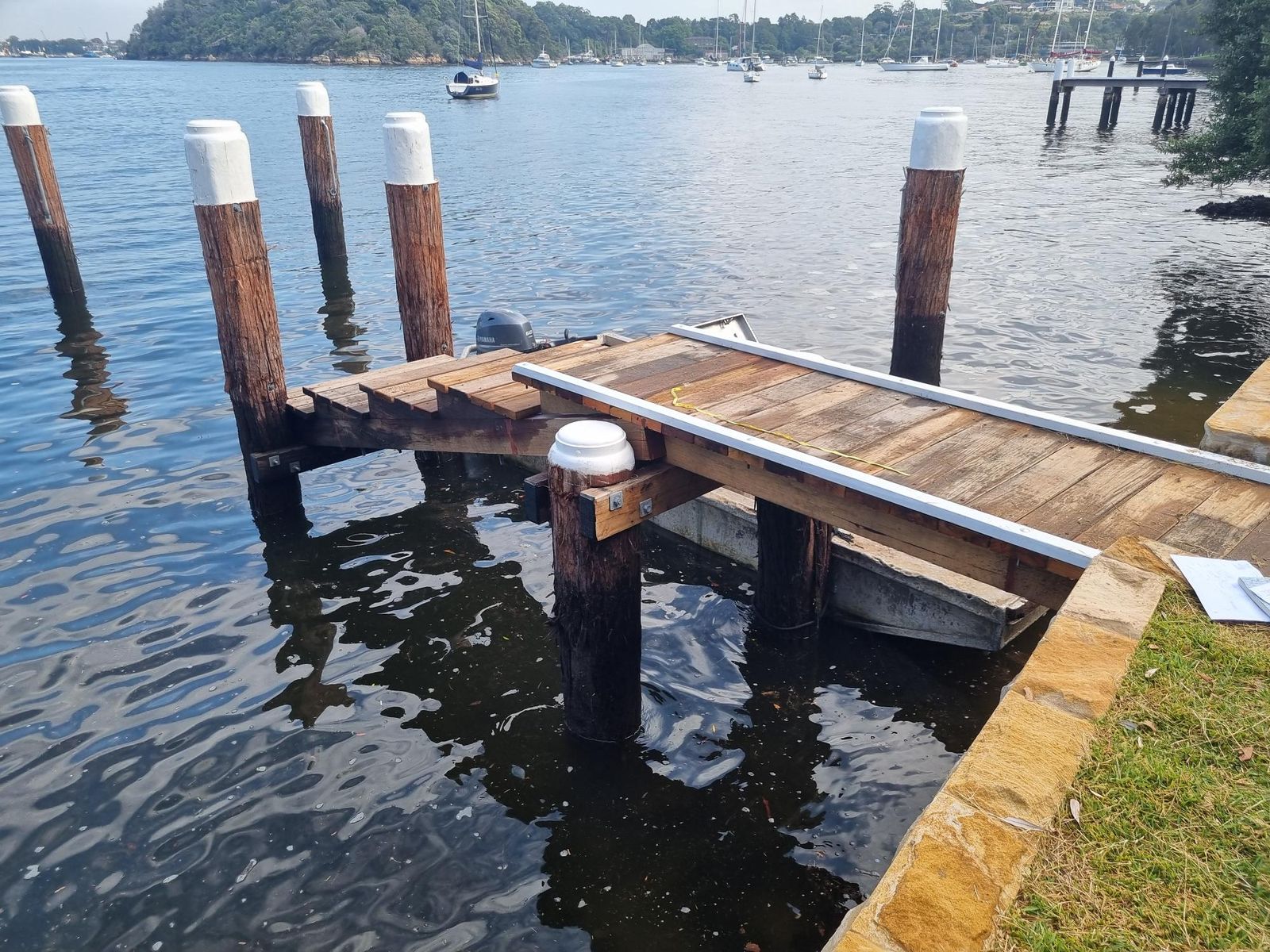
Private jetty rules in NSW
There isn't one rule book for private jetties in NSW. The rules that apply depend on your waterway and site. Generally:
- a new or replacement jetty, skid, slipway, pontoon or set of mooring piles is water-based development and generally needs consent
- the landowner's consent is needed to lodge the application
- a structure over a public waterway generally needs an ongoing lease or licence, usually with annual rent (see our jetty cost guide)
- structures must be kept in good condition, and altering them can itself need consent
- swing moorings are generally licensed separately by Transport for NSW
What the authority will look at
- the size and length of the structure and how far it extends into the waterway
- navigation and the effect on neighbouring properties and their access to the water
- visual impact on the foreshore and views from the water
- the marine environment, including seagrass
- heritage and foreshore character in some areas
Domestic Waterfront Structure Strategies
The NSW Marine Estate program has been developing estuary-wide Domestic Waterfront Structure Strategies. They are online maps that show how suitable different parts of an estuary are for new private jetties, pontoons and boat ramps, with some areas marked as unsuitable and the reasons included. Strategies have so far been prepared for particular estuaries, so check whether one covers your waterway before you plan. We take any applicable strategy into account in the design.
Common mistakes to avoid
- Designing first and checking the rules later.
- Assuming the council approves water-based work on Sydney Harbour.
- Forgetting the landowner's consent needed to lodge.
- Planning a structure that only works at high tide.
- Skipping the free pre-DA meeting.
How Waterlink helps
We plan and design jetties, slipways and boat skids and mooring piles, ramps and steps to suit the zoning and requirements of your waterfront. If you're replacing an old structure, a jetty inspection report is a good place to start.
This guide is general information only, based on published NSW Government guidance at the time of writing. Requirements change and every site is different, so always confirm the requirements for your property.